
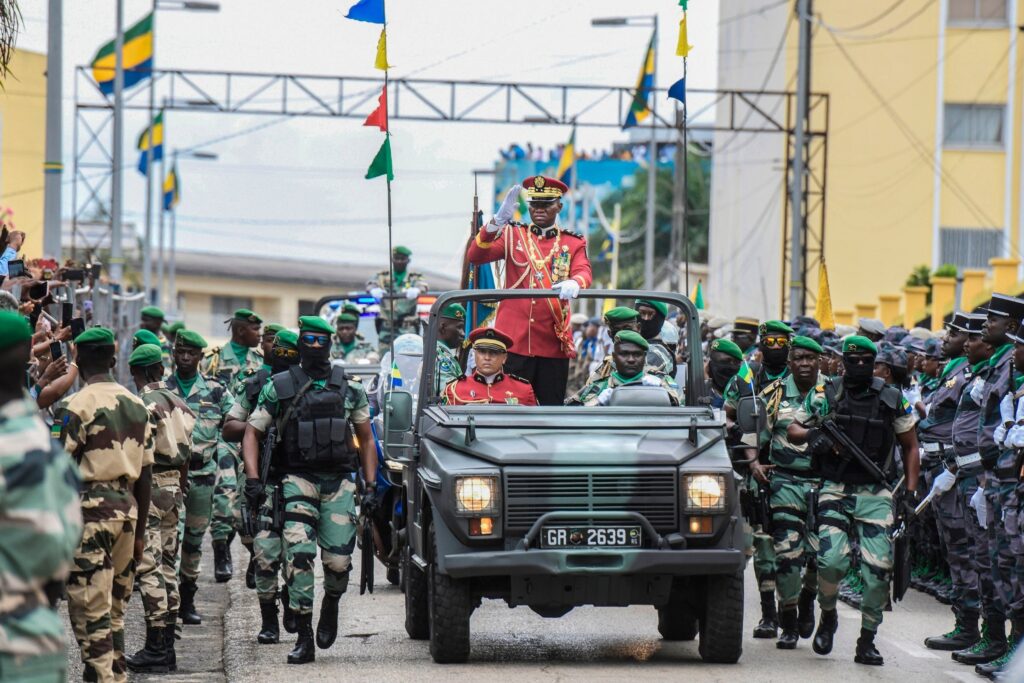
At first glance, a military uniform may seem like a simple combination of camouflage, jacket, and pants. But for buyers, procurement personnel, and military enthusiasts, the look of a Gabonese military uniform is shaped by practical reasons. Its appearance reflects environment, field use, fabric performance, and the need for reliable wear in service conditions.
Gabonese military uniforms look the way they do because they are designed to meet real field requirements. Their camouflage reflects the operating environment, their jacket-and-pants structure supports movement and utility, and their fabric choices aim to balance durability, comfort, and service life. In other words, the uniform’s appearance is closely tied to its function.
To understand the design more clearly, it helps to examine the main elements that shape the Gabonese Army uniform.
How does environment influence the look of the uniform?
One of the biggest reasons military uniforms take a certain form is the environment in which they are used.
In Gabon, the natural landscape is strongly associated with dense vegetation, tropical conditions, and green-heavy terrain.
That means field uniforms must do more than identify a soldier. They must also help reduce visibility in natural surroundings.
This is why camouflage plays such an important role in the overall appearance of the uniform.
The colors, tones, and pattern layout are chosen with concealment in mind. A military uniform that looks visually appropriate for woodland or tropical terrain is often doing exactly what it was designed to do.
For military enthusiasts, this makes the uniform interesting from a visual and operational perspective. For procurement personnel, it shows that the uniform’s style is connected to real use rather than appearance alone.
Why is camouflage such a defining feature?
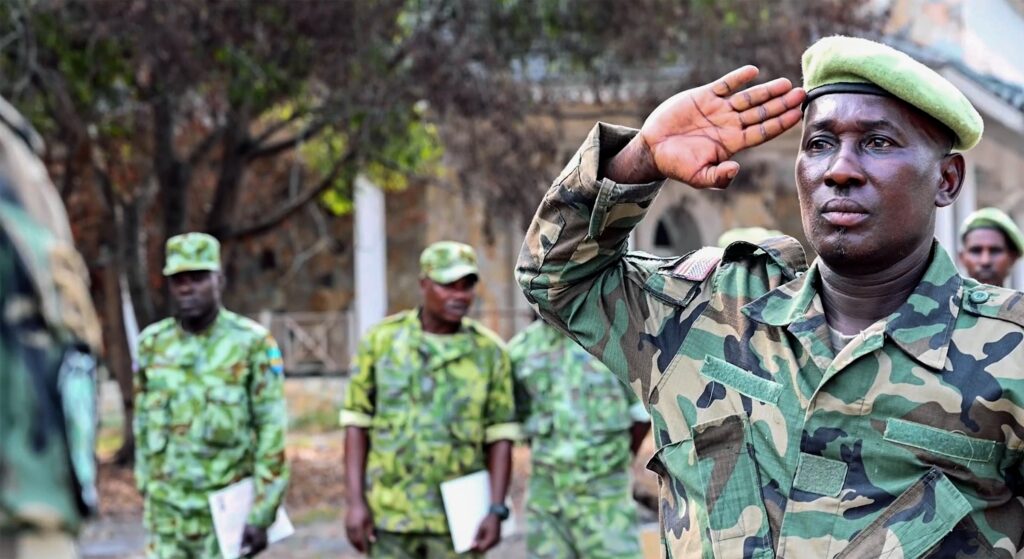
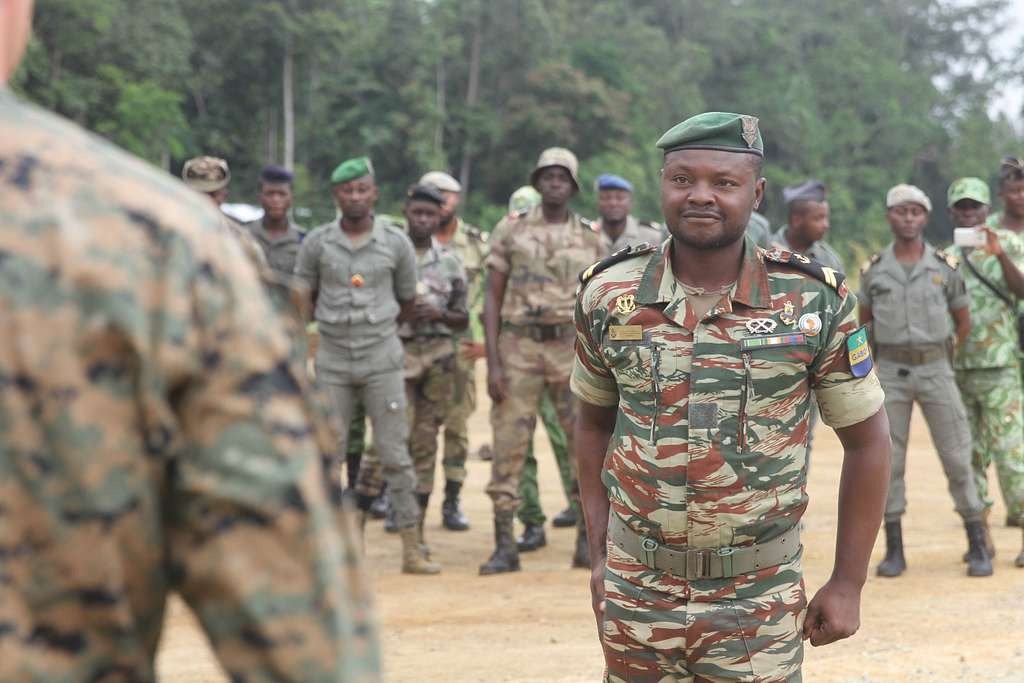
Camouflage is often the first thing people notice in a Gabonese Army uniform.
It gives the uniform its strongest visual identity, but it also serves a clear practical purpose. Camouflage is designed to break up the human outline and help the wearer blend more effectively into the background.
In a tropical or forested environment, this matters a great deal. A suitable camouflage pattern should support concealment in green and mixed natural terrain.
That is why Gabonese military uniforms tend to look the way they do: the pattern is not random, and the color scheme is not only decorative.
For buyers, camouflage quality can influence both perceived authenticity and practical value.
For procurement teams, it reflects intended use. A field uniform should always look like it belongs in the environment for which it was designed.
Why are jackets and pants central to the design?
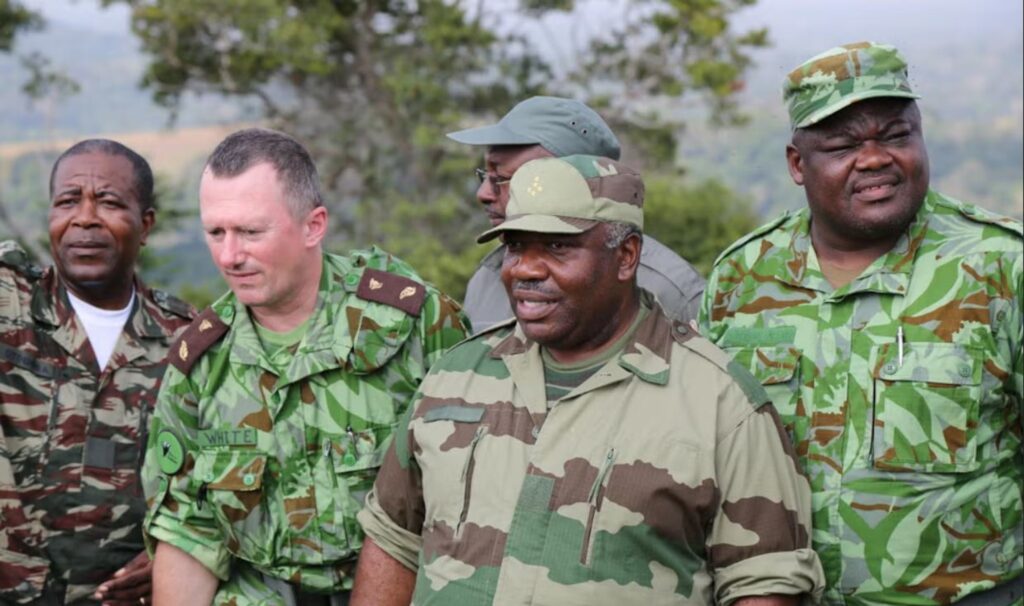
The jacket and pants are the foundation of the Gabonese Army field uniform. They are not just separate garments. Together, they create a complete clothing system.
The jacket shapes the upper-body profile, provides structure, and presents the camouflage pattern clearly. The pants support movement, flexibility, and consistent coverage.
This is one of the main reasons the uniform has a distinct military look. A well-matched jacket-and-pants set creates order, consistency, and practicality.
The way these garments are cut also affects how the uniform performs in real use. A military uniform must allow walking, kneeling, bending, and long periods of wear without losing too much comfort or shape.
For procurement personnel, this means construction quality matters just as much as visual appearance. A uniform may look correct at first glance, but poor coordination between jacket and pants can reduce its real value.
What role do fabric types play?
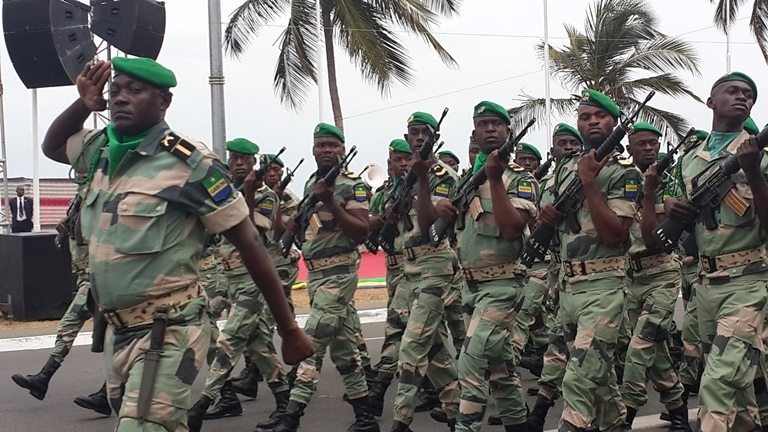
Fabric helps explain why a military uniform looks and feels the way it does. A lighter, softer fabric may offer better comfort, while a stronger, more structured fabric may improve durability.
Military uniforms often rely on cotton, polyester, or polyester-cotton blends to balance these needs.
Cotton can improve breathability and comfort, especially in warmer climates. Polyester can improve resistance to wrinkling, shape loss, and wear.
Blended fabrics are often preferred because they combine comfort with strength. This affects not only performance but also appearance. A fabric that holds its form well will keep the uniform looking sharper over time.
For buyers and sourcing teams, fabric choice is one of the clearest indicators of long-term value. A good uniform should remain presentable after repeated use and washing, not just when it is new.
Why does durability matter so much?
Durability is one of the main reasons military uniforms are designed the way they are.
Field clothing must handle friction, repeated movement, outdoor exposure, and regular washing. If the material fails too quickly, the uniform loses both practical and commercial value.
That is why strong construction and suitable fabric weight matter. A durable uniform usually looks more structured, more reliable, and more service-ready.
For procurement teams, durability affects lifecycle cost. For enthusiasts, it can also help distinguish a serious field-style garment from a simpler imitation.
What does the overall design tell us?
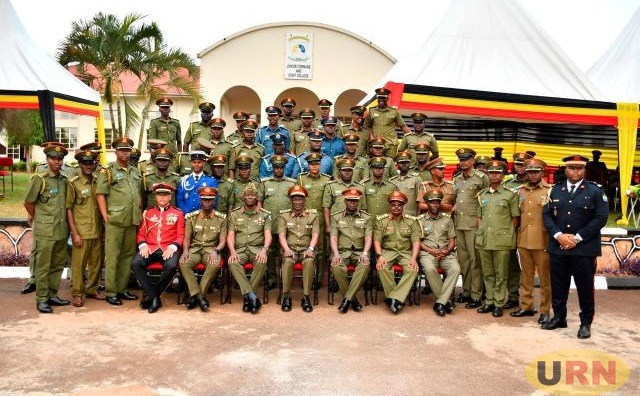
The overall appearance of a Gabonese military uniform tells us that it is shaped by field use, not only by visual identity.
Camouflage reflects terrain. The jacket-and-pants system reflects movement and structure. Fabric selection reflects durability and comfort.
That is why Gabonese military uniforms look the way they do. Their design is the result of practical needs coming together in one clothing system. For buyers, procurement personnel, and military enthusiasts, understanding that connection makes the uniform easier to evaluate and far more meaningful to study.