

From iconic red serge to modern navy patrol gear, Canadian police uniforms reflect a mix of tradition and tactical evolution. This article explores how today’s uniforms vary across divisions, the latest 2025 updates, and what collectors and procurement specialists need to know.
Canadian police uniforms range from ceremonial red serge worn by the RCMP to navy-blue patrol shirts and tactical vests used in urban units. In 2025, RCMP frontline officers wear navy shirts with cargo pants, while tactical teams use body armor, dark-duty gear, and load-bearing vests. Uniforms vary by role, region, and operational requirements.
Let’s break down how Canadian police uniforms are categorized—from tradition to tactical—and what’s important for buyers, suppliers, and enthusiasts to understand.
What Are the Main Types of Canadian Police Uniforms?
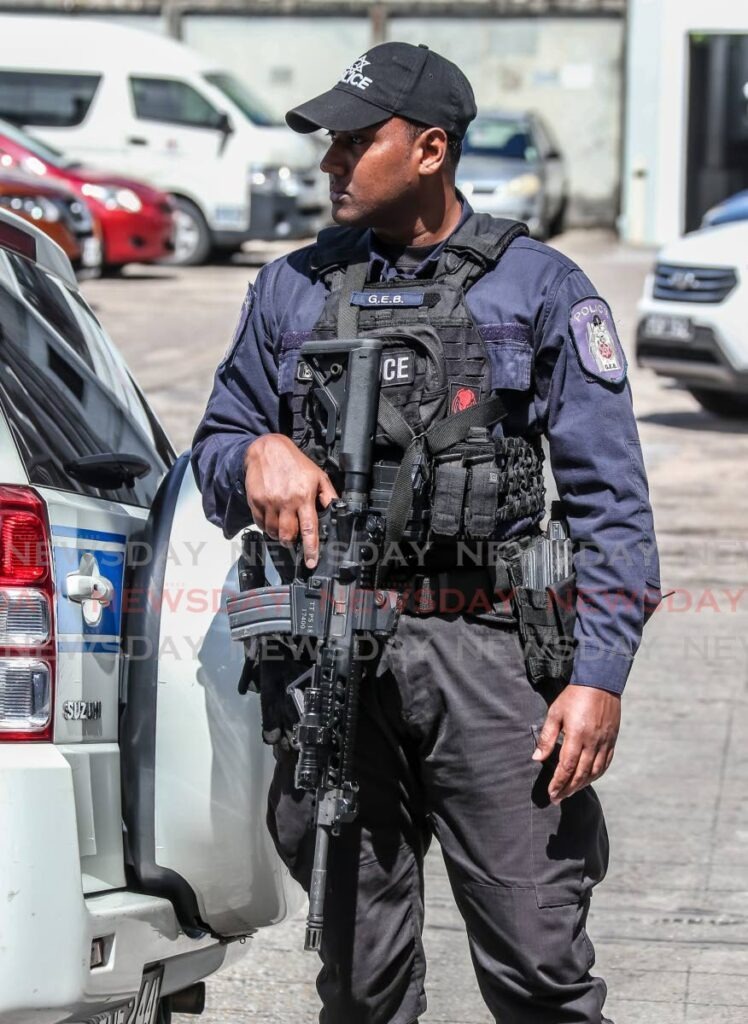
Canadian police services, including the Royal Canadian Mounted Police (RCMP), municipal forces, and provincial agencies, wear uniforms based on duty type:
- Ceremonial uniforms (e.g., red serge with high boots and stetson)
- Standard patrol gear (e.g., navy shirt, duty belt, cargo trousers)
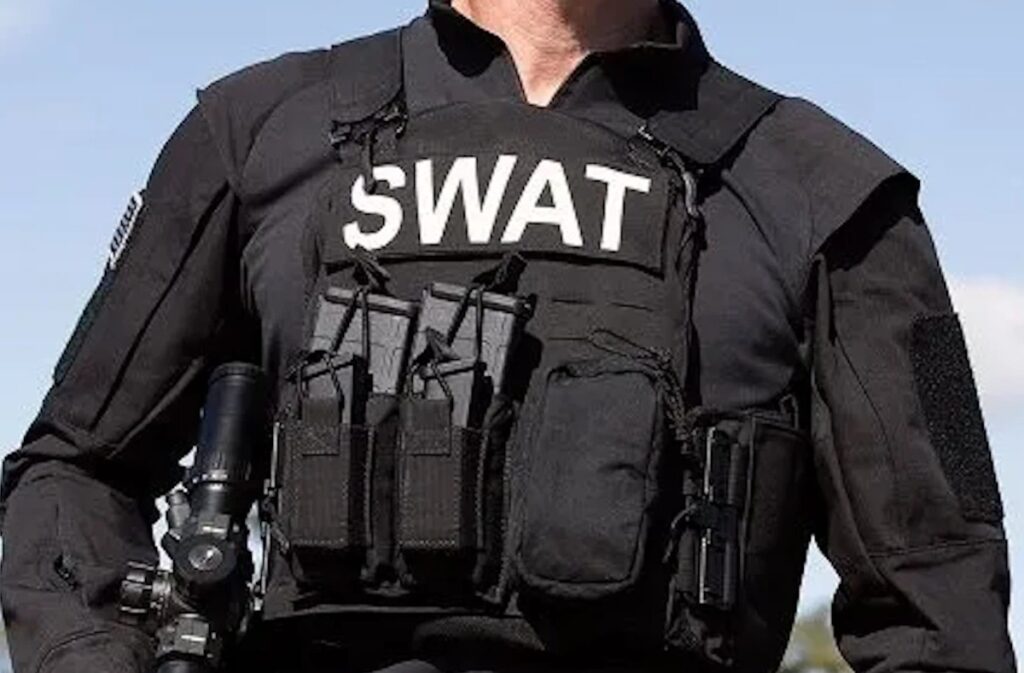
- Tactical and SWAT uniforms (e.g., body armor, black fatigues, ballistic helmets)
- Seasonal uniforms (adjusted for winter patrol, including parkas and gloves)
Each department customizes based on operational needs, region, and policing style.
What Color Are Police Uniforms in Canada Today?
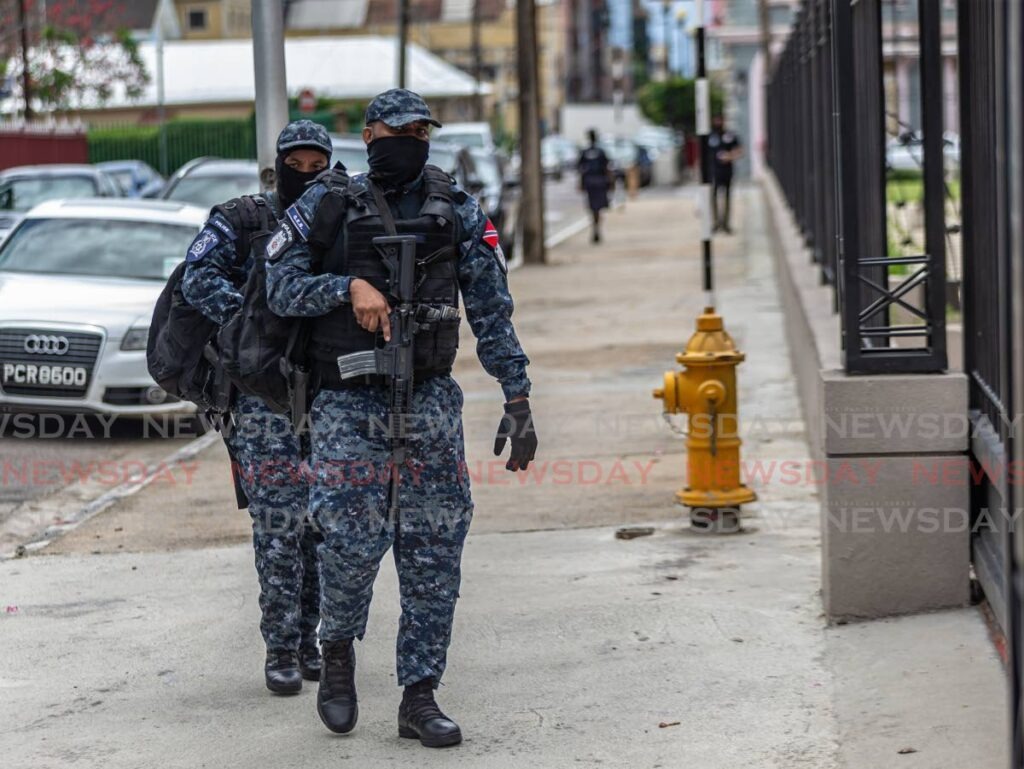
In 2025, RCMP frontline officers are transitioning to navy-blue uniform shirts, replacing the older grey ones.
Both colors are currently in circulation and officially accepted.
- RCMP: Navy shirt, black pants, black duty belt
- Municipal police (e.g., Toronto, Vancouver): Dark navy or black tactical shirts
- Special divisions: Color accents (e.g., traffic vests, bike patrol shirts)
This change improves visibility, standardization, and aligns with international policing aesthetics.
Why Do Canadian Police Still Wear Red?

The famous Red Serge is the RCMP’s ceremonial dress uniform, worn during:
- Parades
- National events
- Royal visits
- The RCMP Musical Ride
Its origins trace back to the 1870s and the North-West Mounted Police, designed to distinguish them from U.S. forces.
The red color became a symbol of Canada, reinforcing the Mountie’s iconic role in national identity.
How Do Patrol and Tactical Uniforms Differ?
| Type | Description |
|---|---|
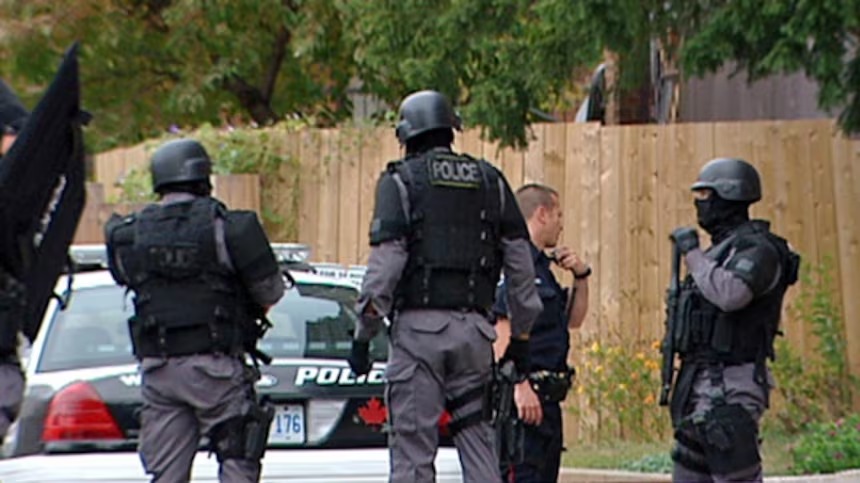
| Patrol Uniform | Lightweight navy shirt, cargo pants, high-visibility vest, and soft body armor |
| Tactical Uniform | Full dark uniform, armored vest, helmet, knee pads, and weapon attachments |
| Special Units | K9, bike, and community officers may wear more casual or climate-adjusted variations |

Tactical units (SWAT, ETF, ERT) focus on protection and readiness, while patrol units balance comfort and visibility.
What Equipment Is Included in Modern Police Uniforms?
Today’s Canadian police uniforms go beyond clothing. They include:
- Duty belt with firearm, baton, radio, handcuffs
- Body armor (internal or external carriers)
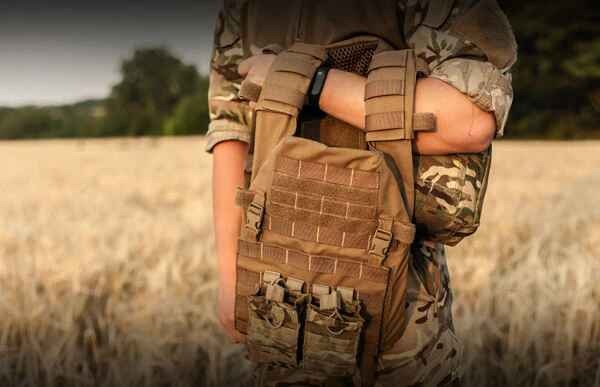
- Load-bearing vests with MOLLE attachment points
- Body cameras and communication gear
- Winter wear for cold regions (gloves, balaclavas, thermal liners)
Municipal units often have more freedom in selecting tactical add-ons, while RCMP follows standardized supply channels.
Where Can You Buy or Supply Canadian Police Uniforms?
If you’re a government buyer, supplier, or collector, here are sourcing paths:
- Official RCMP procurement programs
- Approved vendors for municipal and provincial police
- Tactical gear retailers (e.g., 911 Supply, Urban Tactical)
- Historical/replica uniforms for film or private display
Common items sourced include:
- Canada police uniform 2025
- RCMP ranks and uniforms
- Canadian police tactical gear
- Patrol shirts, soft armor, winter gear
Need help sourcing or connecting with a manufacturer? Visit outdoor3.com — your trusted gateway for Canadian law enforcement gear and custom uniform solutions.
✅ Final Thoughts
Canadian police uniforms reflect a blend of ceremony and functionality. With navy patrol gear and red serge formals, understanding these styles is key for collectors and suppliers. For guidance, sourcing, or custom uniform solutions, visit outdoor3.com.