
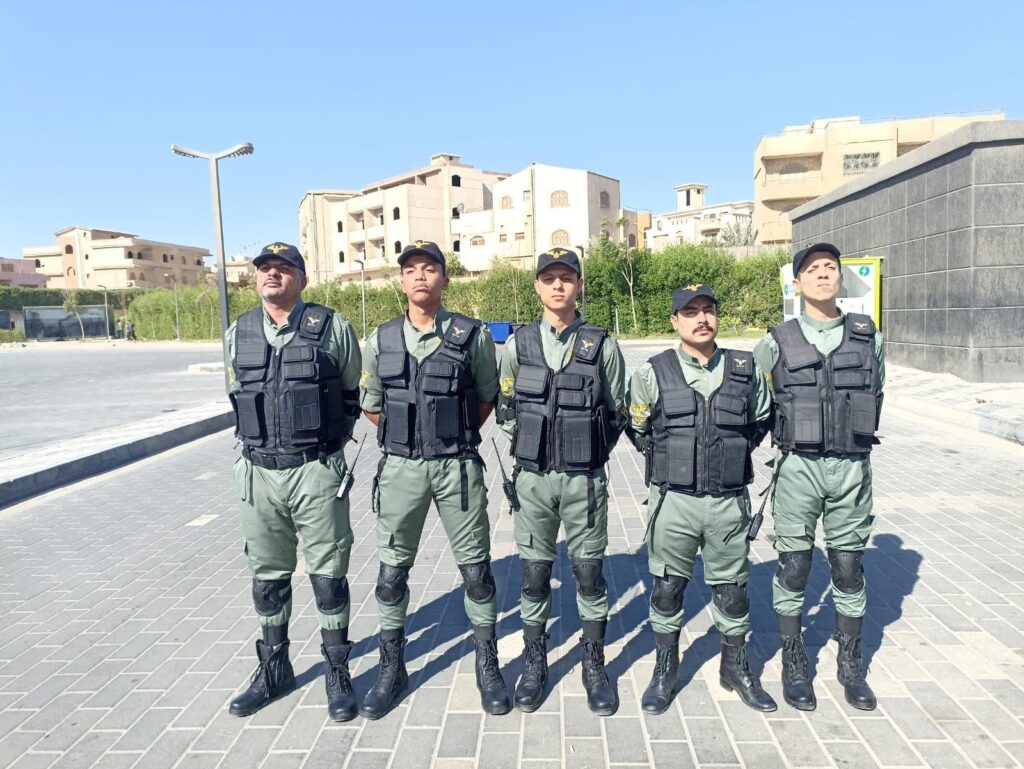
Choosing the right security uniform in Egypt is not only about appearance. Buyers, traders, and procurement teams need uniforms that look professional, perform well in daily use, and match the practical demands of the local market.
Popular security uniform styles in Egypt are shaped by three main factors: fabric performance, color selection, and market demand. Buyers usually look for uniforms that combine a professional appearance, durable materials, and practical comfort for long working hours. In commercial terms, the most valuable security uniforms are those that balance style, wear resistance, climate suitability, and consistent visual identity.
To understand what drives demand, it helps to look at the styles, materials, and color preferences that define this product category.
What security uniform styles are popular in Egypt?
In Egypt, security uniforms are generally expected to project authority, discipline, and reliability.
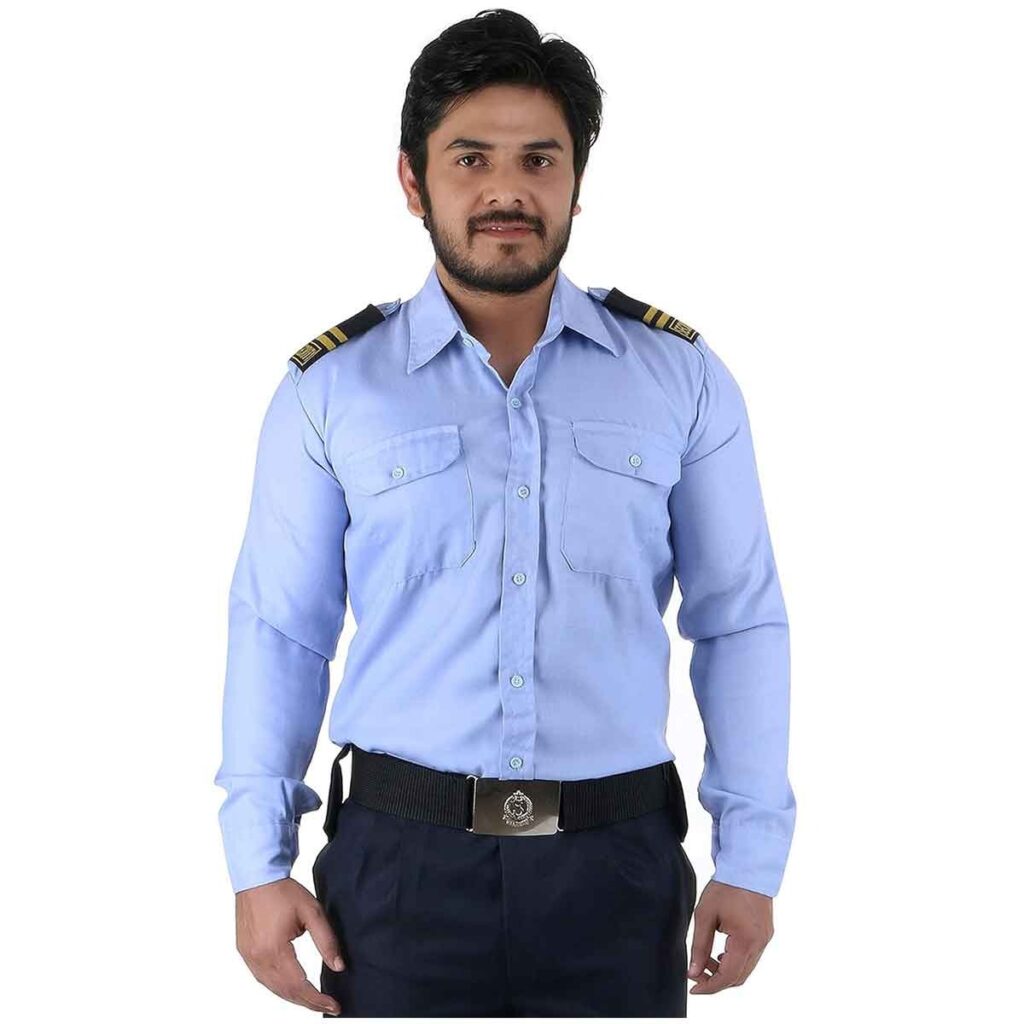
The most common styles are built around collared shirts, matching trousers, and in some cases jackets for a more structured or formal appearance.
Some buyers prefer a traditional guard-style uniform with a sharper and more formal look.
Others prefer a more practical working uniform designed for daily movement and long shifts. This creates two main style directions in the market: presentation-focused uniforms and performance-focused uniforms.
For traders, this matters because different clients prioritize different features. Office buildings, private compounds, factories, and commercial sites may all prefer slightly different uniform styles, even when the overall goal remains professional appearance and easy staff recognition.
Why do fabrics matter so much in security uniforms?
Fabric choice is one of the most important buying factors in the Egyptian security uniform market.
A uniform may look impressive at first, but if the material wrinkles too easily, fades too quickly, or becomes uncomfortable during extended wear, it quickly loses commercial value.
In warm climates, fabric performance affects not only comfort but also staff presentation throughout the workday.
Buyers usually want uniforms that maintain shape, resist frequent washing, and remain presentable in regular use.
For this reason, fabric selection often has more influence on long-term satisfaction than style alone.
For procurement personnel, good fabric performance can reduce replacement frequency and improve value over time. For traders, it can make the difference between a one-time sale and repeat business.
What fabric types are commonly preferred?
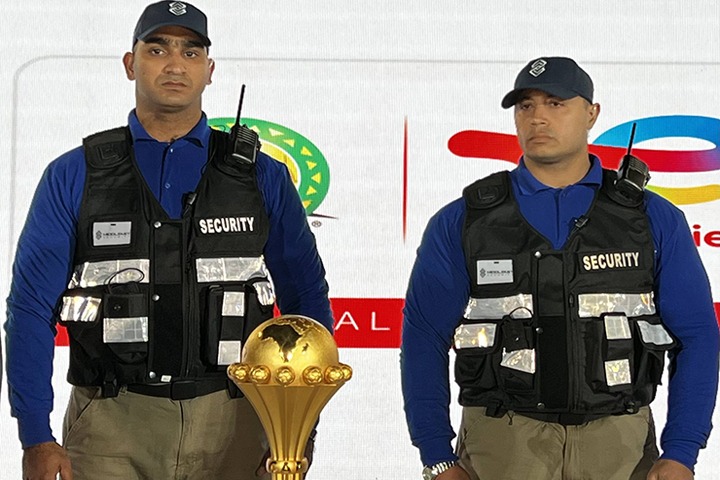
Security uniforms often use cotton, polyester, or polyester-cotton blends.
Each option has its own strengths, and market demand usually depends on how buyers balance comfort, durability, and maintenance.
Cotton fabrics are appreciated for breathability and comfort, which can be important in warm conditions. Polyester is valued for its strength, wrinkle resistance, and easier care.
Polyester-cotton blends are often the most commercially practical choice because they combine the comfort of cotton with the durability and lower-maintenance qualities of polyester.
For buyers in Egypt, the strongest market demand often tends to favor fabrics that can handle repeated washing, daily wear, and long shifts without losing too much of their clean and professional appearance.
A technical sourcing note can be supported through a placeholder source such as uniform fabric reference.
Which colors are most suitable for security uniforms?
Color plays a major role in how a security uniform is perceived.
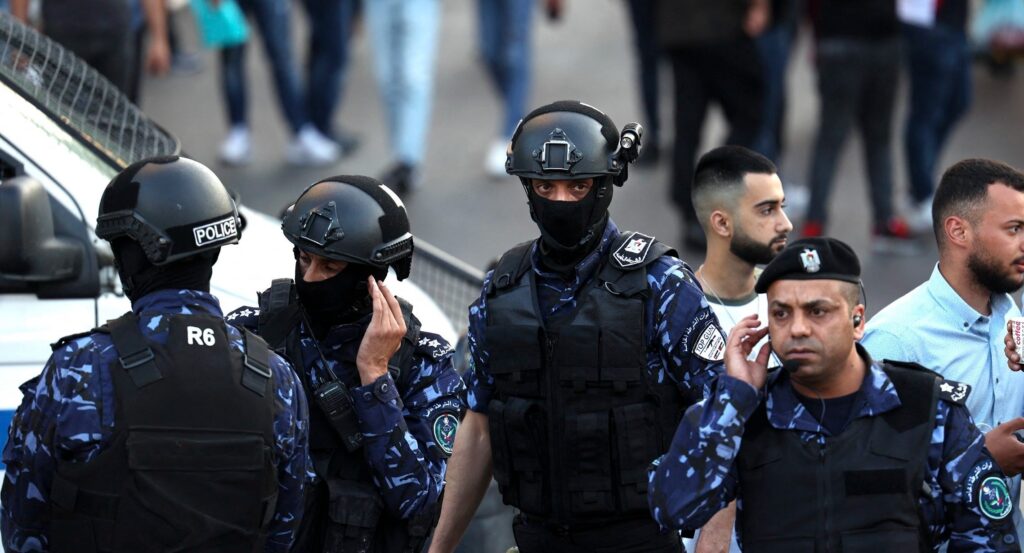
Dark and neutral tones are usually the most practical because they communicate authority, professionalism, and control.
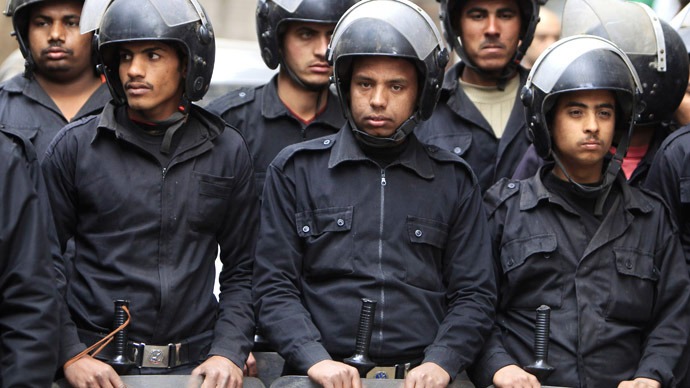
Common market-friendly colors often include navy, black, charcoal grey, and combinations of light shirts with darker trousers.
These color choices remain popular because they are visually strong, commercially safe, and easy to standardize across larger orders.
Darker colors also tend to hide daily wear more effectively, which is important in active duty environments.
For procurement teams, color is not just about appearance. It also supports brand consistency and role recognition. For traders, stocking commercially proven colors can reduce risk and improve sales efficiency.
How does market demand shape product choices?
Market demand in security uniforms is driven by practical buying behavior.
Most business buyers are not looking for highly unusual styles.
They usually want products that are easy to reorder, simple to maintain, and suitable for multiple work environments.
This means commercially successful security uniforms are often those with broad appeal rather than extreme design features.
Buyers tend to prefer styles that look professional, fabrics that offer reliable service life, and colors that fit a wide range of client expectations.
I see this as one of the most important points for suppliers and traders. A security uniform is not only a garment.
It is also a repeat-purchase product category. Demand is stronger when the uniform meets operational needs and remains commercially practical.

What should buyers and traders focus on?
Buyers and traders should focus on three areas: fabric durability, professional styling, and commercially proven colors.
A good security uniform should perform well in daily use, present a disciplined image, and remain easy to source consistently.
For businesses selling through platforms such as outdoor3.com, the strongest product strategy is usually to offer styles that combine clean design, reliable fabric blends, and widely accepted color schemes. This makes the product more appealing to procurement teams that value both appearance and operational value.
Popular security uniform styles in Egypt are shaped by real buying priorities.
Fabrics determine comfort and durability, colors support authority and brand consistency, and market demand rewards uniforms that are practical, professional, and easy to maintain.
For buyers and traders alike, understanding these factors leads to better product decisions and stronger long-term value.