

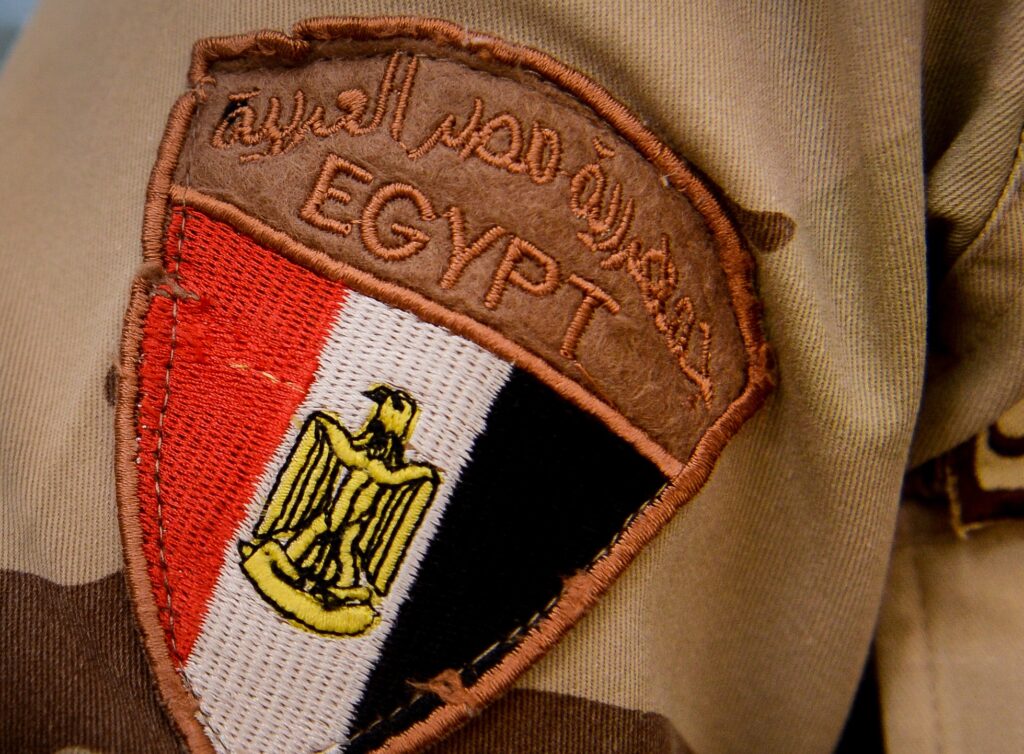
Egyptian military uniforms are more than symbolic national dress. For buyers, collectors, procurement personnel, and military enthusiasts, they represent a practical combination of field design, camouflage strategy, fabric performance, and operational purpose. When viewed closely, these uniforms reveal how military clothing is shaped by climate, terrain, and everyday field requirements.
Egyptian military uniforms, especially those used by the Army, are designed to combine effective camouflage, durable fabrics, and practical garment structure. Their purpose is to support concealment, movement, and long-term wear in demanding conditions. From jacket-and-pants construction to fabric selection, each part of the uniform is chosen to balance visual identity with real field performance.
To understand their value, it helps to look at the styles, materials, and purpose behind Egyptian Army uniforms in more detail.
What styles define Egyptian military uniforms?
The style of an Egyptian military uniform is closely tied to function. In Army field use, the uniform is typically built around a matching jacket and pants set that creates a complete operational clothing system.
This style is designed to look disciplined and professional while also allowing movement and regular outdoor wear.
Compared with ceremonial military dress, field uniforms are more practical in appearance. Their style places greater emphasis on usability, structure, and terrain suitability.
For buyers and collectors, this distinction is important because a field uniform should always be judged by how well its design supports performance, not only by how it looks in display form.
The jacket usually carries the strongest visual identity of the uniform. It presents the camouflage pattern clearly and gives the upper body a structured military appearance.
The pants complete the system by supporting mobility and helping maintain consistent camouflage coverage from top to bottom.

What camouflage styles are associated with Egyptian Army uniforms?
Camouflage is one of the most important style elements in Egyptian military uniforms.
The Egyptian Army is commonly linked with desert-oriented camouflage, which reflects the country’s natural operating environment.
In dry and sandy terrain, the role of camouflage is to reduce visibility and help soldiers blend into open or arid landscapes.
This means camouflage style is not only decorative. It serves a field purpose. Color tones, contrast levels, and pattern distribution all contribute to concealment.
A well-designed military camouflage pattern helps break up the human outline and reduces detection in the right terrain.
For collectors, camouflage is often the first thing that identifies a uniform as Egyptian Army related. For procurement professionals, camouflage is also a practical factor because it reflects intended use. A desert-oriented style suggests a strong connection between the clothing design and the environment it was built for.

Why are jacket-and-pants uniforms so important?
The jacket and pants are the foundation of the Egyptian Army field uniform.
These garments are central because they create the full working structure of the uniform.
A jacket alone does not define a military clothing system, and pants alone do not provide the visual identity or upper-body structure needed in service wear. Together, they form the complete field uniform.
The jacket is important because it carries the main camouflage presentation, supports practical wear, and helps establish the military look of the uniform.
The pants are just as important because they must allow bending, walking, kneeling, and extended movement without losing comfort or shape. Buyers who evaluate only the top garment often miss how much overall field performance depends on the balance between both pieces.
For traders and procurement teams, the best uniform sets are those in which the jacket and pants are matched in cut, material, and camouflage consistency. That is often what separates a more credible field-style uniform from a lower-value imitation.

What fabrics are used in Egyptian military uniforms?
Fabric selection is one of the most important parts of military uniform design.
Egyptian Army uniforms are generally associated with materials chosen for strength, climate suitability, and service life. Common military fabric types often include cotton, polyester, and polyester-cotton blends.
Cotton is valued for breathability and comfort, especially in warm conditions. Polyester offers better wrinkle resistance, shape retention, and easier maintenance.
Blended fabrics are often preferred because they combine the comfort of cotton with the durability of polyester.
This makes them suitable for military clothing that must perform well while also remaining manageable in repeated washing and routine field use.
For professional buyers, fabric choice affects both cost and long-term value.
For collectors, fabric details can help indicate whether a uniform reflects authentic field-oriented construction or a simplified reproduction. More technical sourcing notes can be supported through a placeholder source such as military textile guide.

How does fabric affect durability?
Durability is one of the most important reasons fabric matters. A military uniform must handle friction, sunlight, repeated washing, and regular field use without failing too quickly.
If the fabric weakens, fades badly, or loses structure, the uniform becomes less useful and less valuable.
This is why fabric durability is not a minor detail.
It is one of the main ways to judge quality. Stronger construction, balanced fabric weight, and reliable weaving all contribute to a better Army uniform. For procurement personnel, durability also affects replacement cycles and overall purchasing efficiency.
A uniform that lasts longer often provides better value even if its initial cost is higher.

What is the field purpose of Egyptian military uniforms?
The purpose of Egyptian military uniforms is practical above all else.
They are designed to help soldiers operate effectively by supporting concealment, movement, and dependable wear in the field.
Camouflage reduces visibility. Jackets and pants provide functional structure. Fabrics support comfort and durability.
For buyers, collectors, and sourcing teams using outdoor3.com, this practical purpose is the key to understanding the uniform’s real value. Egyptian military uniforms are not only recognizable in style. They are also built to meet the demands of actual service use. That combination of style, fabric, and purpose is what makes them important and worth studying.
