
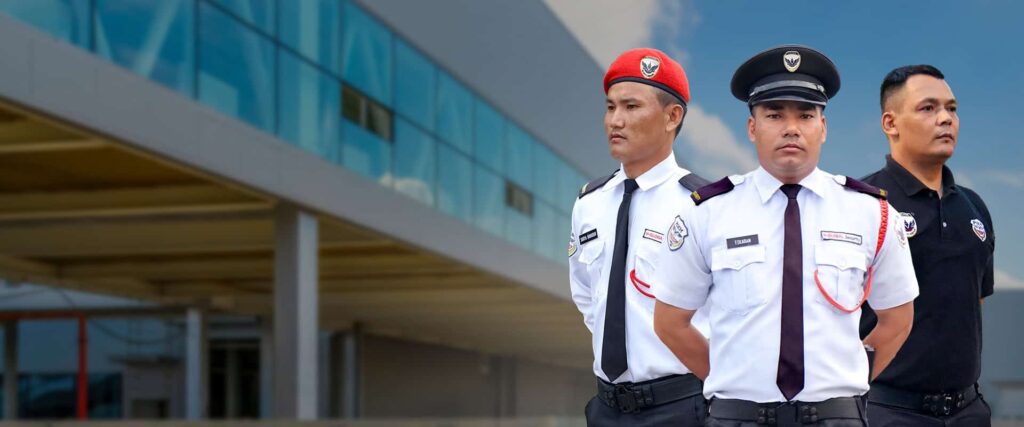
Choosing security uniforms in Malaysia is not as simple as picking a smart-looking shirt. Procurement teams and traders need uniforms that project authority, stay comfortable in heat and humidity, and hold up well under daily wear, frequent washing, and long shifts.
The best security uniforms in Malaysia combine durable, breathable fabric, practical design, and a professional color scheme. For procurement personnel and uniform traders, the right choice should support comfort in tropical weather, easy maintenance, consistent brand image, and clear role identification. Fabric performance, style, and color all work together to determine whether a uniform delivers long-term value.
To make the right buying decision, it helps to evaluate each of these factors in a practical way.
What makes a good security uniform in Malaysia?
A good security uniform must do more than look formal. In Malaysia, it should also match the demands of hot weather, outdoor movement, and long working hours. A uniform that looks sharp in a catalog but performs poorly in daily use will quickly become a bad investment.
For security firms, the right uniform should create a professional appearance, promote confidence, and support operational comfort. For traders, it should meet market demand for durability, easy care, and presentable styling. This is why buyers should always evaluate uniforms by performance as well as appearance.
Which fabric is best for security uniforms in hot and humid weather?
Fabric choice is one of the most important buying factors. Malaysia’s climate requires materials that can remain comfortable through heat, humidity, and repeated wear. In many cases, polyester-cotton blends are popular because they balance structure, durability, and ease of maintenance.
Cotton-rich fabrics may feel softer and cooler, but they can wrinkle more easily and may take longer to dry. Polyester blends often perform better for busy security operations because they resist wear, keep their shape, and are easier to wash in bulk.
Some buyers also look for quick-dry or breathable fabric options to improve day-to-day comfort. A helpful technical reference can be added here, such as fabric performance guide.
Why does fabric performance matter for procurement buyers?
For procurement personnel, fabric performance affects cost, replacement frequency, and staff satisfaction. A security uniform that fades quickly, tears easily, or traps too much heat may seem affordable at first, but it usually becomes more expensive over time.
I always recommend looking at durability, breathability, stitching quality, and wash performance together.
Procurement teams should think in terms of lifecycle value, not only initial unit cost.
Traders should do the same, because buyers increasingly want uniforms that deliver reliable long-term performance rather than just low upfront pricing.
What are the most common security uniform styles?
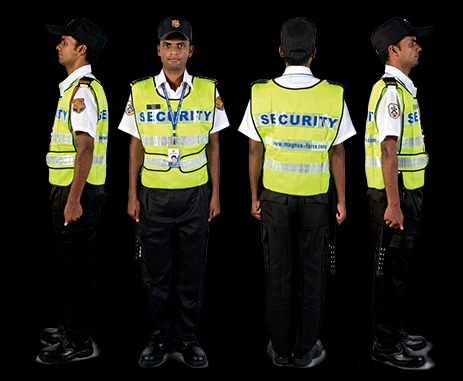
In Malaysia, security uniforms usually follow a clean and disciplined style.
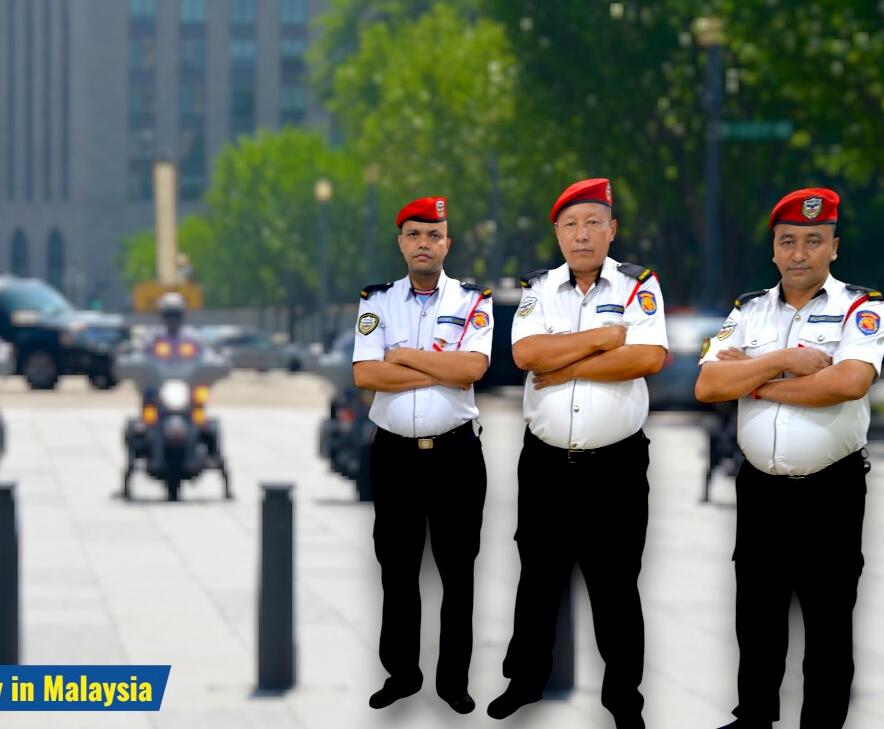
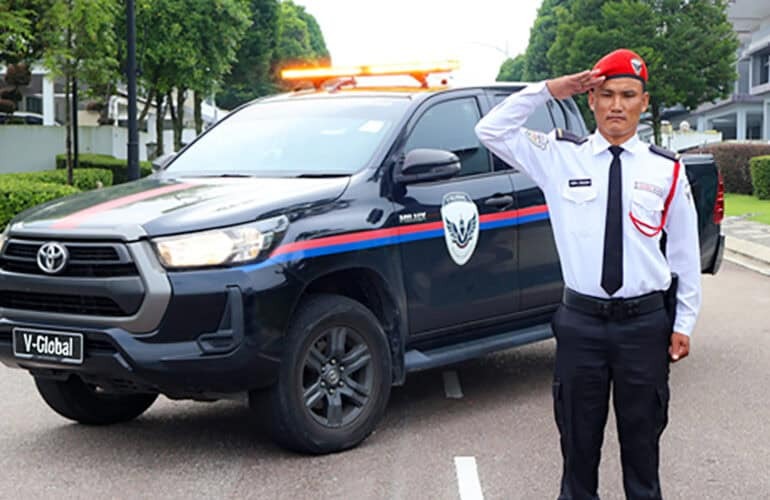
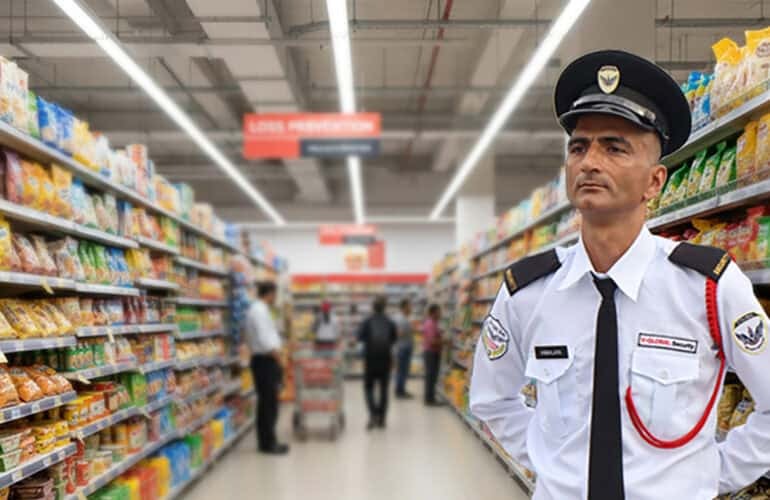
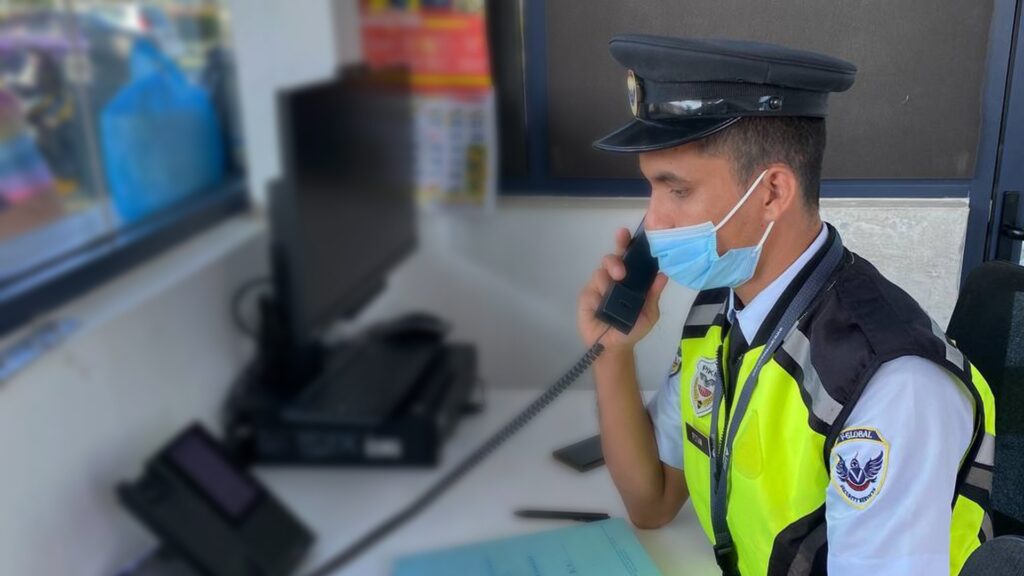
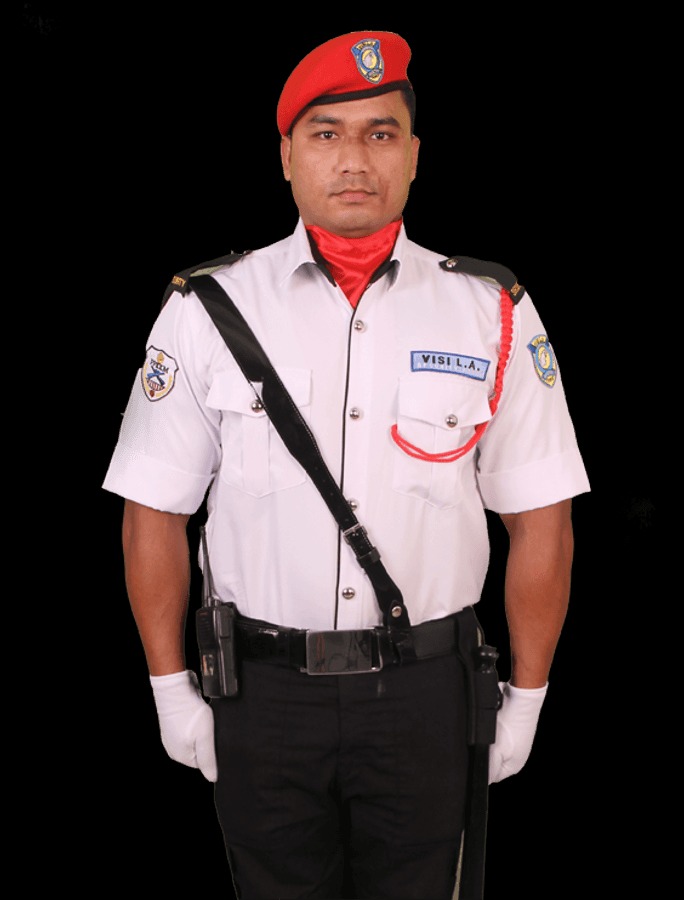
Common designs include collared shirts, button-front tops, cargo or straight-cut trousers, shoulder epaulettes, and space for company badges, name tags, or rank markings.
Some companies prefer a more traditional guard appearance, while others want a more modern, corporate look.
Supervisor uniforms may use slightly more refined styling or small visual differences to show hierarchy. The key is consistency. A good uniform style should support recognition, professionalism, and practical movement.
How should buyers choose between short-sleeve and long-sleeve designs?
This choice often depends on job scope, image requirements, and working conditions.
Short-sleeve uniforms are often preferred for comfort, ventilation, and ease of movement in warm environments. They are especially practical for daytime use and physically active roles.
Long-sleeve uniforms can project a more formal image and may offer added coverage in certain settings. Some firms use both options depending on site type or shift conditions.
Buyers should think about climate suitability, company image, and end-user comfort before deciding. More product specification detail can be supported with uniform material references.
What color schemes work best for security uniforms in Malaysia?
Color plays a major role in how a security uniform is perceived.
Dark shades such as navy, black, and charcoal grey are common because they communicate authority, discipline, and professionalism. These colors also tend to age well in service.
Lighter colors such as white or light grey may be used for shirts in certain corporate environments, especially when paired with darker trousers.
The best choice depends on company branding, work setting, and visibility needs. A smart color scheme should look professional while remaining practical for regular use.
How do color and style affect professional image and role identification?
Uniform color and design are closely tied to brand image. A well-chosen uniform helps clients and the public quickly recognize security staff and take their role seriously.
It can also help distinguish guards from supervisors through patches, insignia, or slight style changes.
For traders and procurement teams, this matters because many buyers want uniforms that support both authority and brand identity.
A consistent, polished appearance adds commercial value and strengthens the client-facing image of a security firm.
How can buyers balance durability, comfort, and appearance?
The best buying decision is rarely based on one factor alone. A strong security uniform should look professional, feel comfortable in Malaysia’s climate, and withstand repeated use without losing shape or color.
For firms and traders sourcing through outdoor3.com, the smartest approach is to compare fabric performance, uniform style, and color strategy together. When these elements are chosen carefully, security uniforms become a practical investment rather than just a basic workwear purchase.