
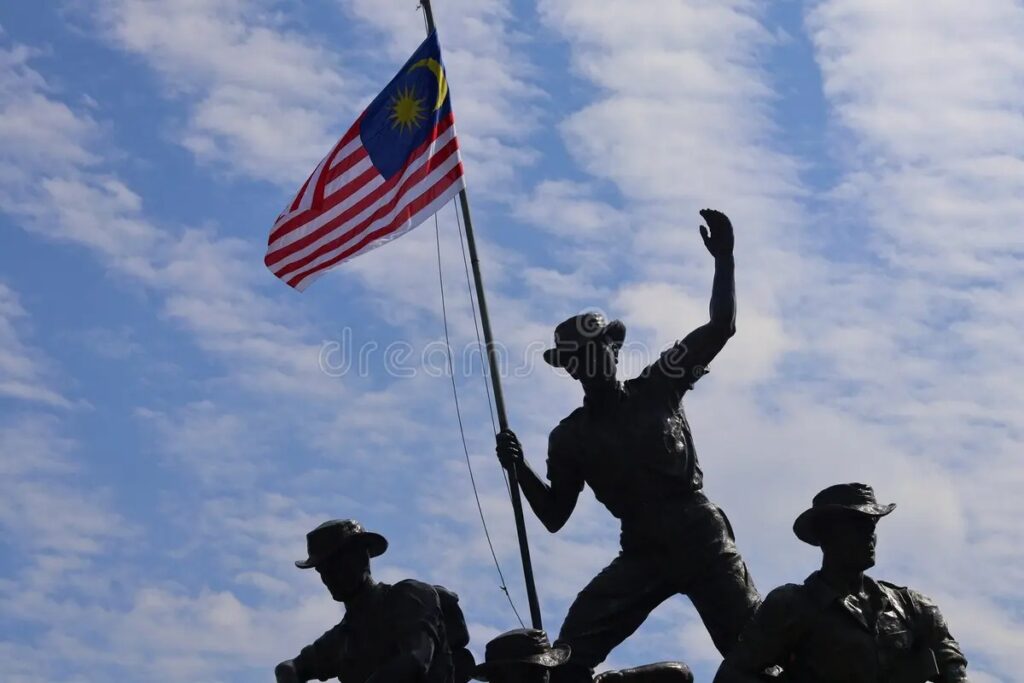
Choosing the right military uniform is not just about appearance. In Malaysia’s hot, humid, and demanding environments, buyers need gear that blends concealment, comfort, and long-term durability without compromising field performance.
Modern military uniforms of Malaysia are designed to support tropical operations through effective camouflage, durable fabric construction, and practical field-ready features. For the Malaysian Army, these uniforms are built to improve concealment in jungle and mixed terrain, reduce heat stress, and withstand repeated use in demanding conditions. This balance of style, fabric technology, and operational purpose makes them valuable for military users, procurement teams, collectors, and serious uniform buyers.
To understand their value, we need to look closely at how Malaysian Army uniforms combine design, material performance, and mission purpose.
What makes modern military uniforms of Malaysia different from older designs?
Modern Malaysian military uniforms place far more emphasis on operational efficiency than older models. Earlier uniforms often focused on basic protection and identification, but current designs are better adapted to Malaysia’s environment and field demands.
Today, the Malaysian Army uniform is built with practical cuts, reinforced stitching, better pocket placement, and improved fabric performance.
The overall style supports easier movement, better ventilation, and more reliable durability. For purchasers and procurement personnel, this matters because uniform design is now closely tied to function, not just formal military appearance.
What camouflage pattern does the Malaysian Army use?
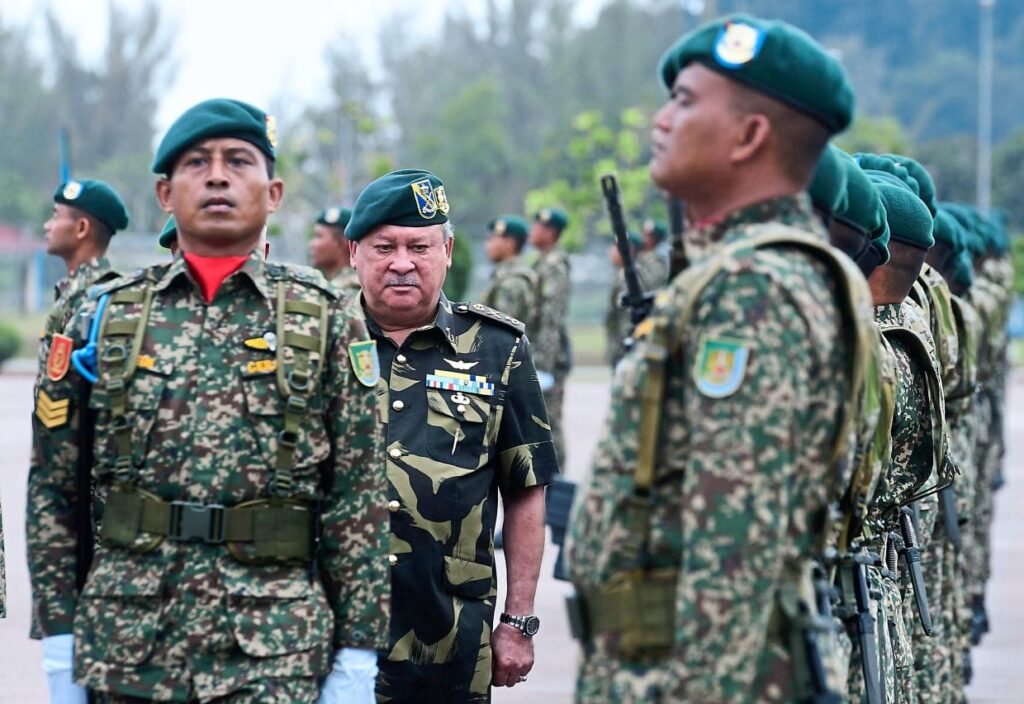
The Malaysian Army is widely associated with camouflage patterns designed for tropical and woodland conditions.
These patterns are intended to reduce visibility in jungle environments, where dense vegetation, shifting light, and wet terrain create unique concealment challenges.
A good camouflage uniform in Malaysia must work across green-heavy terrain while still maintaining effectiveness in mixed outdoor settings.
This is why the visual design of the uniform is not random. Color tones, disruptive shapes, and pattern balance all play a role in helping personnel merge into their surroundings.
Buyers looking for Malaysian Army-style uniforms often pay close attention to these camouflage details because they strongly affect authenticity and field usefulness.
Why is camouflage important in Malaysian military operations?
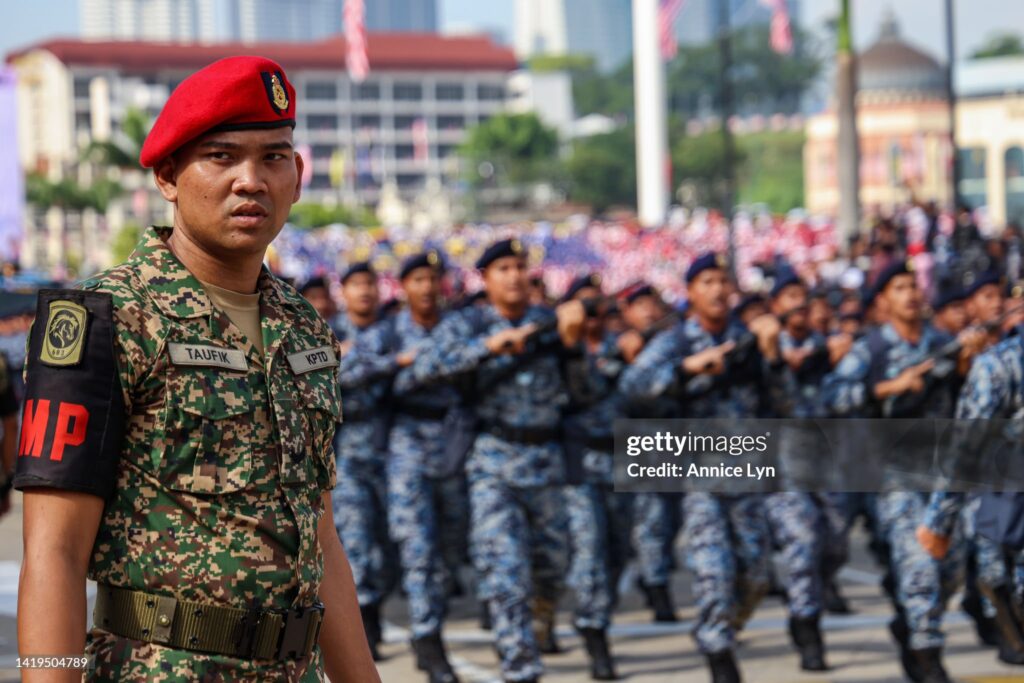
Camouflage is not only about visual identity. Its core purpose is to support concealment, reduce detection, and improve survival in operational environments.
In Malaysia, that purpose becomes even more important because tropical landscapes include forested areas, layered vegetation, muddy ground, and changing natural light.
For military enthusiasts and collectors, camouflage tells a story about doctrine and environment. For procurement personnel, it reflects operational need.
A well-designed camouflage uniform helps personnel remain less visible while moving, observing, or operating in the field.
That makes camouflage one of the most important elements in modern military uniform design. For more context on camouflage applications, buyers often review technical resources like camouflage performance references.
What fabrics are used in modern Malaysian military uniforms?
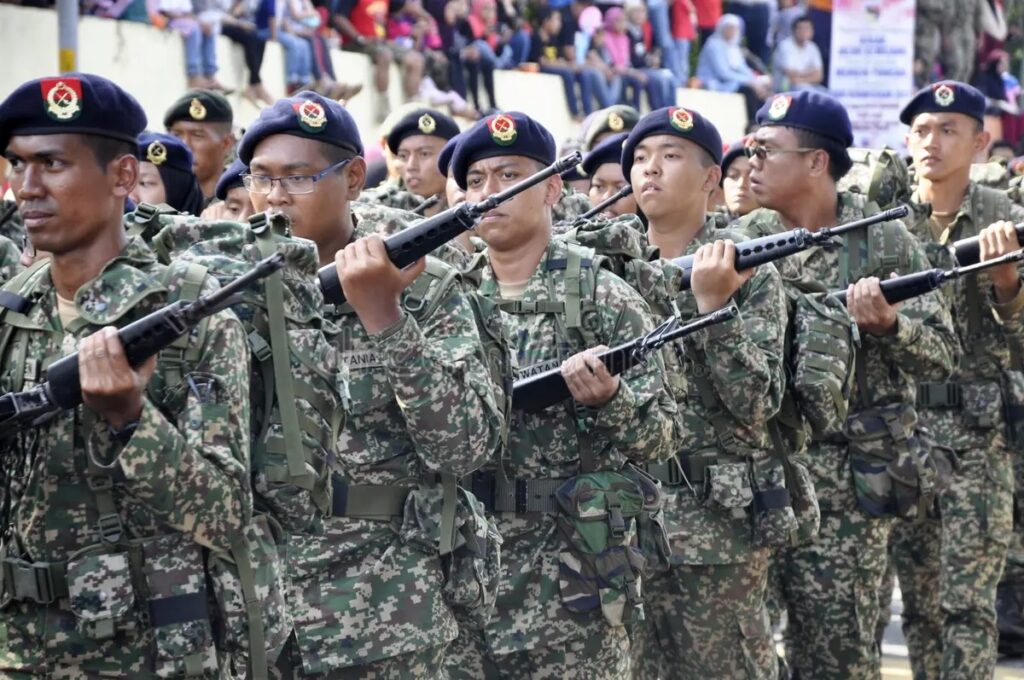
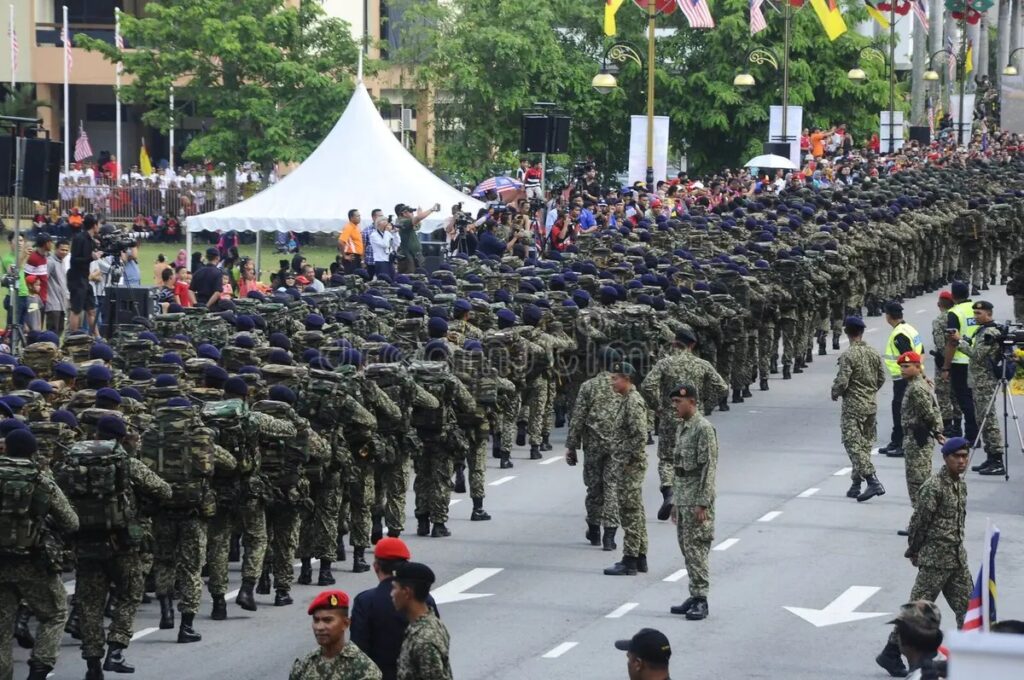
Modern Malaysian military uniforms commonly rely on durable, lightweight fabrics built for hot and humid conditions. A frequent priority is fabric that resists tearing while still remaining breathable enough for extended wear.
One of the most recognized solutions in military uniform construction is ripstop fabric. Ripstop materials are woven in a way that helps stop small tears from spreading. This makes them especially useful in field uniforms that are exposed to branches, rough ground, repeated washing, and daily operational wear.
For a tropical combat uniform, fabric choice is critical. Heavy fabric may increase heat stress, while weak fabric may fail too quickly in tough environments.
This is why the balance between weight, breathability, and strength is so important. Buyers often compare options using military fabric durability data before making sourcing decisions.
How does fabric technology improve durability and comfort?
Fabric technology directly affects how a uniform performs in real conditions. In Malaysia’s climate, comfort is not a luxury.
It is part of operational effectiveness. Uniforms that trap too much heat or moisture can reduce mobility, concentration, and overall endurance.
Modern fabric technology supports better airflow, faster drying, stronger resistance to abrasion, and improved service life.
Reinforced weaving, ripstop construction, and more reliable stitching all contribute to a durable army uniform. At the same time, lighter material structure helps reduce discomfort in hot weather.
For procurement teams, durability means better value over time. For end users, it means fewer failures in the field. For collectors, fabric and stitching details can also indicate whether a piece reflects modern issue standards or commercial reproduction quality.
Why are Malaysian Army uniforms designed for tropical weather?
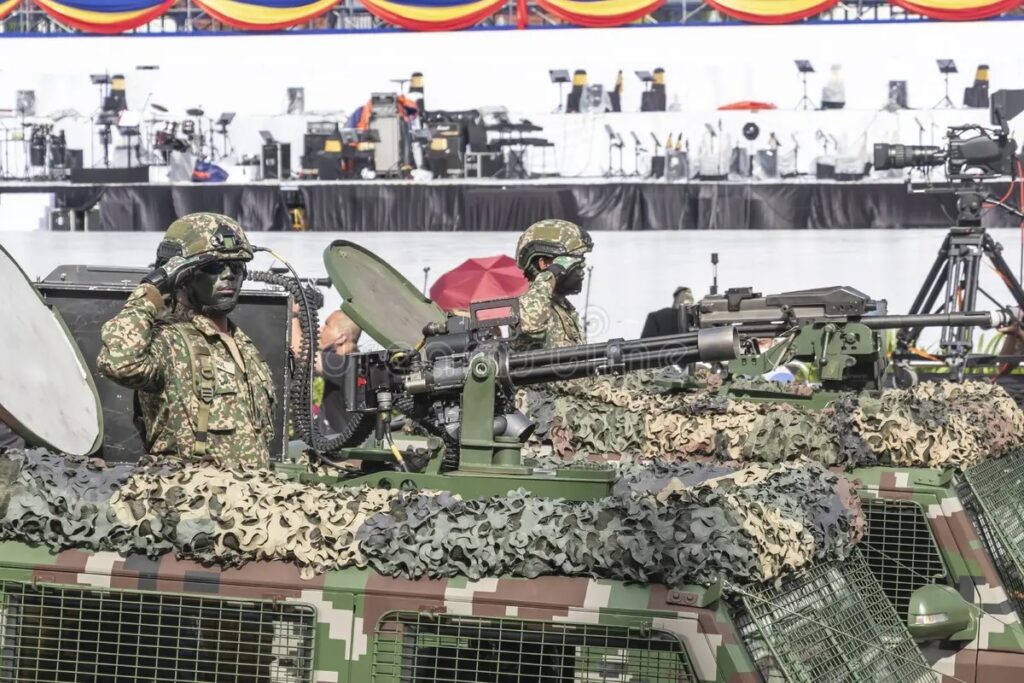
Malaysia’s climate heavily influences military uniform design. High humidity, regular rainfall, and sustained heat require uniforms that help soldiers stay mobile and functional in difficult outdoor conditions.
A tropical combat uniform must dry relatively quickly, remain wearable during long periods outdoors, and avoid unnecessary weight.
This is why modern Malaysian Army uniforms are designed with practical cuts and materials suited to climate stress.
Breathability, moisture handling, and freedom of movement are all part of the uniform’s purpose, not just added features. More climate-related material guidance can be supported through tropical textile references.
How durable are modern Malaysian military uniforms in field conditions?
Durability is one of the strongest selling points of modern military uniforms.
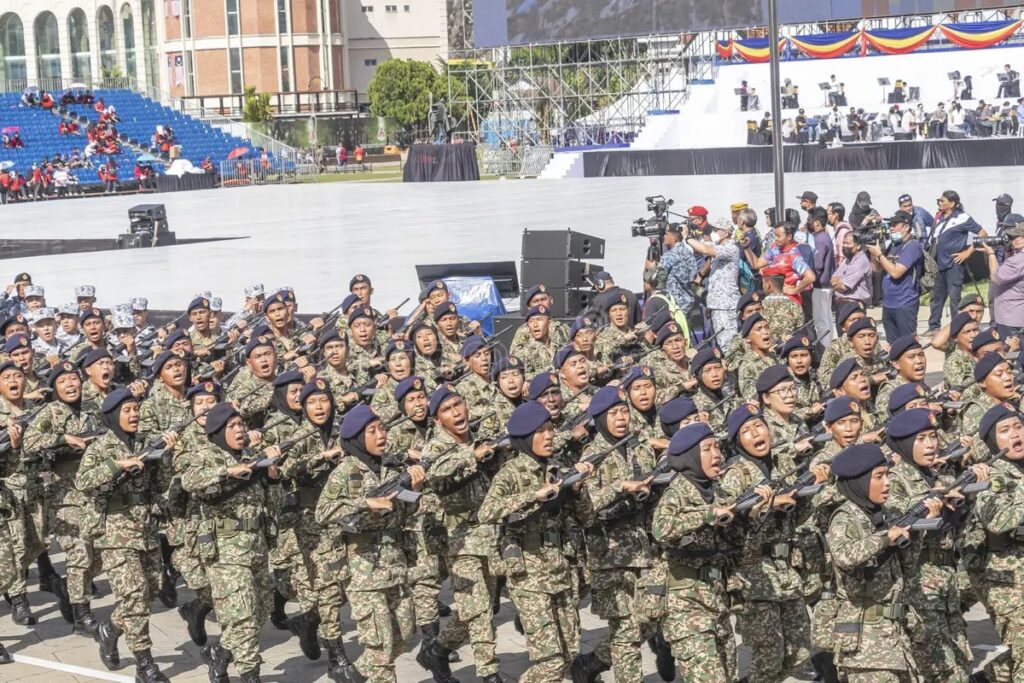
A Malaysian Army-style field uniform must withstand friction, repeated use, outdoor exposure, and frequent cleaning without losing basic performance.
Durability depends on more than fabric alone. It also comes from seam strength, reinforcement in stress areas, closure quality, and the overall construction standard.
For buyers at outdoor3.com, this is a major point of interest because durability affects replacement frequency, lifecycle cost, and field reliability. A uniform that maintains structure and camouflage quality over time offers better long-term value.
What should purchasers and collectors look for in a Malaysian military uniform?
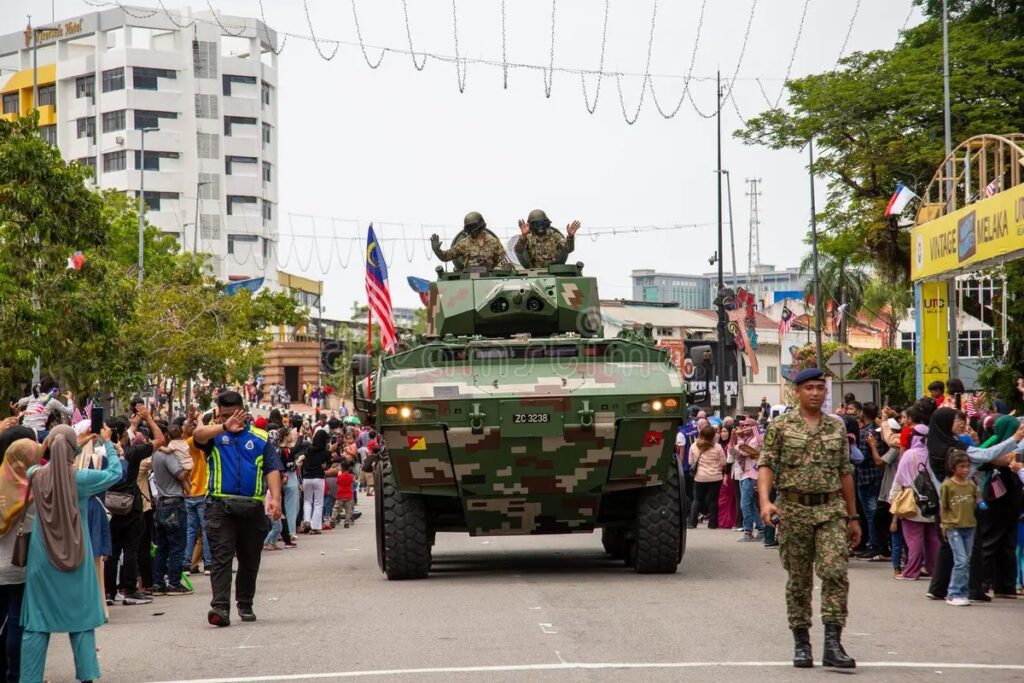
Purchasers, collectors, and procurement personnel should look at three main factors: camouflage suitability, fabric construction, and intended use.
A uniform may look correct visually, but its real value depends on how well it performs and how closely it matches authentic field-oriented standards.
I recommend checking the weave, stitching, reinforcement points, pocket design, and climate suitability before making a decision.
For collectors, authenticity and pattern detail may come first. For procurement teams, durability and operational practicality are usually the priority. For general buyers, the ideal choice is a uniform that combines style, comfort, and reliable fabric performance.
Modern military uniforms of Malaysia show how style, fabric, and purpose work together in one system. For anyone sourcing, studying, or collecting these uniforms, understanding those details makes better decisions possible through outdoor3.com.